
Every startup faces big challenges in the early days, and legal problems can be some of the most expensive. Founders often worry about costs, unsure where to find help that fits their small budget. But affordable legal services exist—if you know where to look.
In this article, you’ll discover practical options, smart tips, and real examples to protect your business without breaking the bank. Whether you’re forming your company, protecting your ideas, or handling contracts, there are solutions for every stage. And you’ll learn how to avoid mistakes that cost more in the long run.
Why Startups Need Legal Help
Starting a business is exciting, but it’s easy to overlook legal issues. Many founders think legal help is only for big companies, but even small startups need advice. Without the right support, you could face lawsuits, lose your intellectual property, or run into tax trouble. Surveys show that legal mistakes are among the top reasons startups fail. According to the Small Business Administration, over 60% of new businesses face legal risks in their first year. Getting the basics right from the start can save money and stress.
Affordable Legal Services For Startups
Let’s explore the most important legal services, their costs, and how to find budget-friendly options.
1. Business Formation
Choosing the right business structure—LLC, corporation, partnership, or sole proprietorship—is the first legal step. The wrong choice can affect taxes, liability, and fundraising.
- Online legal platforms like LegalZoom and Rocket Lawyer help you set up your company for less than $300, compared to lawyers who often charge $1,000 or more.
- Some states let you file directly online, saving even more. For example, California’s LLC filing fee is $70, and Delaware’s is $90.
| Service | Typical Cost | Features |
|---|---|---|
| LegalZoom | $79 + state fee | LLC, Corporation, Partnership setup |
| Rocket Lawyer | $99/month | Business formation + legal advice |
| Direct State Filing | $70–$300 | Official government site |
Non-obvious tip: Some incubators and accelerators offer free legal setup if you join their programs. Always ask before paying.
2. Intellectual Property Protection
Protecting your brand, products, and ideas is critical. Trademark, copyright, and patent filings can be expensive, but affordable options exist.
- Trademark filing: USPTO charges $250–$350 per class. Online services like Trademark Engine help for $99 + filing fees.
- Copyright: Filing online with the US Copyright Office costs $45.
- Patent: Full patents are expensive, but provisional patents offer protection for one year for $60–$300.
| IP Type | DIY Cost | Online Service Cost |
|---|---|---|
| Trademark | $250–$350 | $99 + fees |
| Copyright | $45 | $99 |
| Provisional Patent | $60–$300 | $199–$500 |
Insight: Many startups skip IP protection to save money, but this can lead to bigger costs if someone copies your idea.
3. Contract Drafting And Review
Contracts are everywhere—employment, customers, suppliers, investors. Mistakes can cause legal trouble.
- Template services: Websites like HelloSign, Docracy, and Rocket Lawyer offer free or low-cost templates.
- Lawyer review: Many lawyers offer fixed-fee reviews ($200–$500 per contract), much cheaper than hourly rates.
Example: A startup founder used a free template for a partnership agreement but missed a key clause. It cost $10,000 in court fees later. Always get important contracts reviewed.
4. Employment Law And Hr Support
Hiring people brings legal risks—wrong contracts, unclear policies, or missed compliance can lead to lawsuits.
- HR platforms: Services like Gusto and Zenefits include legal guides and templates for under $40/month.
- Legal advice: Some online lawyers offer quick consultations for $50–$100.
Insight: It’s cheaper to prevent problems than to fix them. Many startups wait until there’s an issue, paying much more.
5. Regulatory Compliance
Every business faces rules—taxes, privacy, safety, industry laws. Missing them can mean fines or shutdowns.
- Online compliance tools: Services like ComplyAdvantage or Vanta start at $100/month.
- Free government resources: The SBA and IRS websites offer guides and checklists.
Tip: Use compliance checklists for your industry. Missing just one regulation can cost thousands.
6. Ongoing Legal Advice
Sometimes you need quick answers, not a full lawyer. Virtual legal services help.
- Subscription legal plans: LegalShield, UpCounsel, and Rocket Lawyer offer monthly plans ($40–$100) for unlimited questions.
- Startup clinics: Many universities and nonprofits run free legal clinics for founders.
| Service | Monthly Cost | What You Get |
|---|---|---|
| LegalShield | $49 | Unlimited consults, document review |
| UpCounsel | Varies ($100+) | Expert advice, custom contracts |
| University Clinics | Free | Startup-specific advice |
Non-obvious insight: Many founders don’t realize local law schools offer free legal advice for startups. These clinics are supervised by licensed attorneys.

Credit: tenney.house.gov
How To Choose Affordable Legal Services
Finding low-cost legal help takes a little research. Here’s how to make smart choices:
- Define your needs: Are you forming a company, protecting ideas, or hiring staff? List your top concerns.
- Compare costs: Look at online platforms, local lawyers, and free resources. Prices vary by state and service.
- Check reviews and credentials: Make sure any service is trustworthy. Look for real client reviews.
- Ask about free trials or discounts: Many platforms offer trial periods or startup discounts.
- Mix and match: Use free templates for simple documents, but pay for reviews on important contracts.
Example: A startup used LegalZoom for company formation, Rocket Lawyer for contract templates, and a local law school clinic for ongoing advice—total legal costs under $1,000 in the first year.
Common Legal Mistakes Startups Make
Even with affordable options, mistakes happen. Avoid these traps:
- Skipping legal help: Thinking you don’t need advice because your business is small.
- Using bad templates: Not all online documents fit your situation.
- Ignoring IP: Not protecting your brand or invention early.
- Bad employment contracts: Missing key terms or compliance issues.
- No compliance checks: Failing to follow tax, privacy, or safety rules.
Data point: The American Bar Association found 45% of startups face legal action in their first three years, often from contract or employment mistakes.

Credit: www.incorp.com
Practical Tips To Save Money On Legal Services
Legal fees can add up fast. Here’s how to keep costs low:
- DIY where safe: Use government websites for company formation and basic IP filings.
- Use templates: For common contracts, reliable templates are cheaper than custom drafts.
- Group consultations: Share legal costs with other startups—some lawyers offer group rates.
- Negotiate fees: Ask lawyers for flat fees instead of hourly billing.
- Leverage clinics and nonprofit help: Local business centers and law schools often have free services.
Real-world example: A founder joined a co-working space that offered monthly legal workshops. She saved over $2,000 by learning to draft her own contracts.
Comparing Online Legal Platforms
Many platforms claim to be affordable. Here’s a quick comparison to help you choose:
| Platform | Cost | Best For | Limitations |
|---|---|---|---|
| LegalZoom | $79–$400 | Company setup, basic contracts | Extra fees for custom advice |
| Rocket Lawyer | $99/month | Unlimited documents, legal Q&A | Limited in-depth support |
| UpCounsel | $100+/hour | Expert, custom legal work | Higher cost for complex work |
| Law School Clinics | Free | Startup-specific advice | Limited availability |
Tip: Try a mix—start with templates, use paid plans for ongoing questions, and seek clinics for custom issues.
Real Examples: Startups Using Affordable Legal Services
Here are a few real stories to show what works:
- Tech startup: Used LegalZoom for LLC formation, paid $99 for trademark filing, and got free contract review at a local law school.
- Food business: Created employee contracts using Rocket Lawyer templates, consulted a nonprofit legal clinic for compliance, total legal spend under $500.
- E-commerce startup: Filed copyright online for $45, used Gusto for HR compliance, and joined monthly legal workshops at a co-working space.
These founders saved money, avoided legal mistakes, and built stronger businesses.
How Legal Services Change As Your Startup Grows
Early-stage startups need basic help—formation, IP, contracts. As you grow, needs change:
- Scaling up: More employees, bigger contracts, complex regulations.
- Funding rounds: Investors often require custom legal documents.
- International business: You may need advice on foreign laws and trademarks.
Affordable services can handle most needs early on. Later, you may need specialized lawyers. Plan ahead so legal costs don’t surprise you.
Where To Find Trusted Legal Resources
Not sure where to start? Here are some reliable places:
- Government sites: SBA, IRS, USPTO for basic info and filings.
- Online platforms: LegalZoom, Rocket Lawyer, UpCounsel.
- Local law school clinics: Check with nearby universities.
- Business incubators: Many offer free legal workshops.
- Nonprofits: SCORE, Small Business Development Centers.
For more in-depth guidance, see this official resource: U.S. Small Business Administration.
Frequently Asked Questions
What Is The Cheapest Way To Form A Business?
The cheapest way is to file directly on your state’s official website. Fees range from $70 to $300. Using online platforms like LegalZoom costs a bit more but adds support.
Do I Need To Hire A Lawyer For A Trademark?
Not always. You can file a trademark yourself through USPTO for $250–$350. Online services help for an extra fee. For complex cases, consider a lawyer.
Are Free Legal Clinics Reliable?
Yes, most law school clinics are supervised by licensed attorneys. They offer startup-focused advice and are a good choice for simple legal questions.
How Can I Protect My Intellectual Property On A Budget?
Start with basic filings: trademark your brand, copyright your content, and use provisional patents for inventions. Use official government sites and online platforms for lower costs.
What Happens If I Use A Bad Contract Template?
Poor templates can miss key terms or legal requirements. This can lead to disputes, lawsuits, or lost money. Always review important contracts with a qualified expert.
Startups have more affordable legal options than ever before. With smart choices and the right resources, you can protect your business and focus on growth. Don’t wait for a problem—use affordable legal services to build a strong foundation from day one.
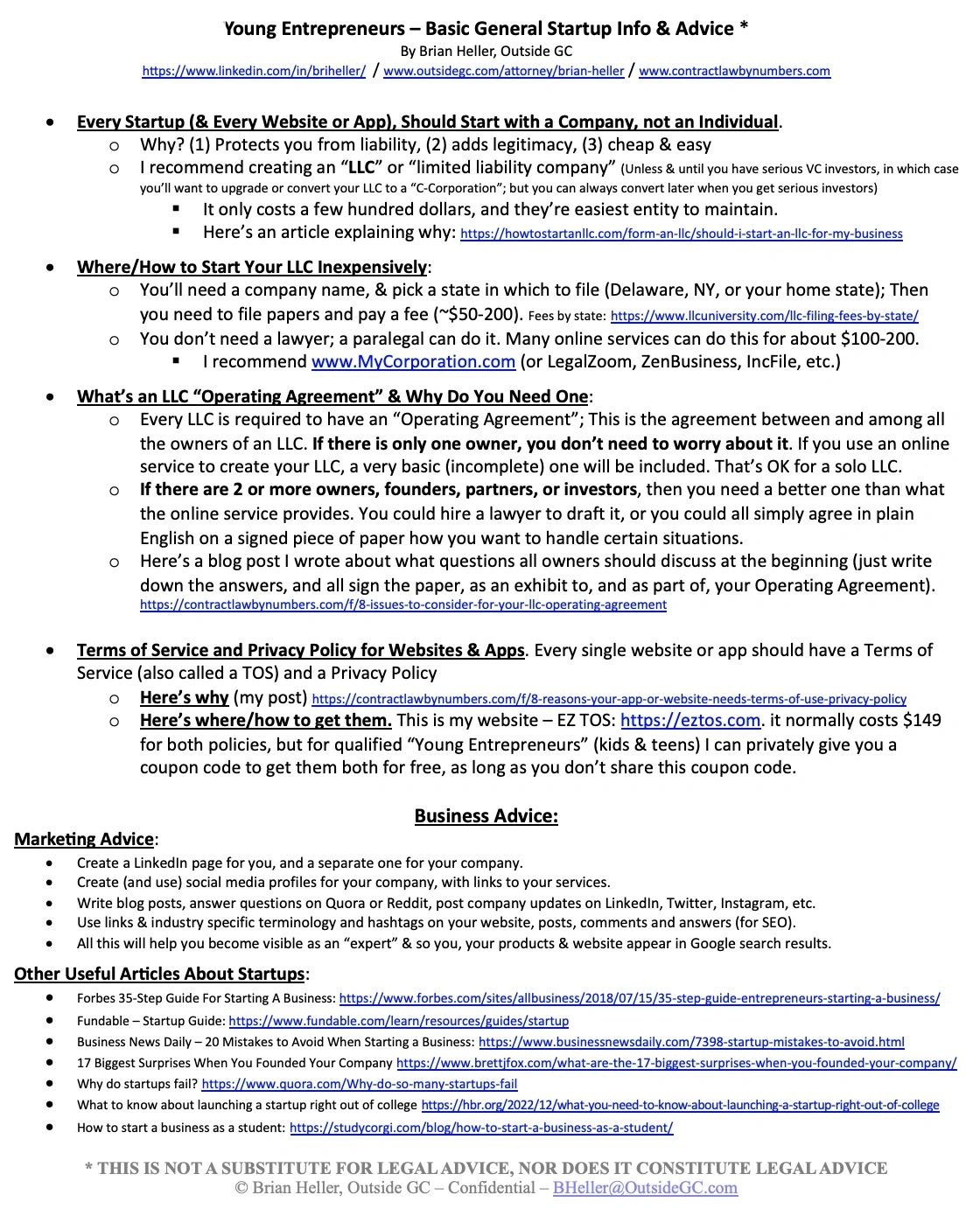
Credit: contractlawbynumbers.com
Read More:
- Critical Illness Insurance Plans: Protect Your Future Today
- Long-Term Disability Insurance Plans: Protect Your Income for Life
- Professional Indemnity Insurance Coverage: Essential Protection Tips
- Cheapest Sr22 Insurance Providers: Top Picks for Budget Drivers
- Landlord Insurance for Rental Properties: Essential Coverage Guide
- Best Life Insurance for Diabetics: Top Plans and Savings Tips
- Best Insurance CRM Software 2026: Top Solutions for Agencies
- Boat Insurance Coverage Options: What You Need to Know